

 Aubrey Malone
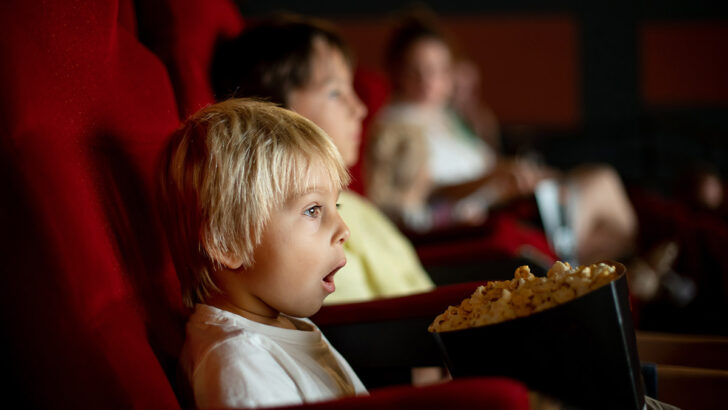 Photo: iStock.
 I recently alluded to the fact that the ratings films receive are often misleading regarding advisory content for parents. The battle against censorship has long been won, which means that substandard films with strong sexual and/or violent content have come through the system as prolifically as artistic ones.
We can’t prevent this. If you pass Apocalypse Now you also have to let The Texas Chainsaw Massacre and Confessions of a Window Cleaner through.
Hardly a week goes by in cinemas but we see people being carved up, or sex scenes which make Last Tango in Paris, at one time the epitome of permissiveness, look tame.
In the early years of cinema, sex was more taboo than violence. To an extent that inconsistency still pertains. It even applies to television, and the material children access on their computers or Smartphones, like last year’s Adolescence.
Violence
While sex definitely sells, it doesn’t sell as well as violence. Once money enters the equation, clear thinking out the window. There’s usually less to be lost financially in giving a sexual film an Over-15s or Over-18s cert than a violent one.
Peter Travers, in an article in Us magazine some years ago, made the point that the top moneyspinners of all time – E.T., Home Alone, the Star Wars franchise and the Indiana Jones one – got ‘soft’ ratings to let younger audiences see them. The Motion Picture Association of America, he pointed out, is both owned and operated by the major studios. Ergo, far from wanting to protect impressionable children from violence, it has a vested interest in promoting it.
‘Slap an Under-17 rating on Home Alone 2 or Batman Returns,’ he said, ‘and its profits are cut in half. Bring down the gore in those films and the kids won’t come.’
It’s a vicious circle and we’re all wearing blinkers about it. We bow to peer pressure, doublethink, and media propaganda. How can we accept a system in which parents are coerced into greenlighting projects they feel might impair the mental health of their children?
In an era which permits the likes of Quentin Tarantino’s Kill Bill to trivialise violence, or comically commodify it, the strain becomes even more worrisome. Ever since Halloween and Friday the 13th, children don’t know whether to scream or smile at horror any more.
The Scary Movie series, which is still going strong, is happy to grab them between the two extremes. It’s like, ‘Load up on popcorn and you won’t notice the damage you’re watching is doing to your central nervous system.’ The coffers are swelling and the corporate organ-grinders are happy.
Such absence of joined-up thinking would make for a good satire by somebody like the Coen Brothers. It’s not rocket science. The material is there in their own backyard.
Traditionally, Hollywood has been upfront about confronting the mote in its eye on celluloid. This theme hasn’t been tackled yet. It’s high time it was.